Showing posts with label safety. Show all posts

Saturday, 3 March 2018

#TalkPANTS and Stay Safe, with a little help from the NSPCC


When BzzAgent got in touch and told us all about the NSPCC's #TalkPANTS children's safety campaign, I was intrigued. Four decades on, I still have a clear recollection of the 1970's and 1980's campaign of my own childhood, Charley Says, featuring a little boy and an incomprehensible cat who shared all sorts of important messages for children, including stranger danger, falling in water, playing with matches or not upsetting a hot teapot.

Modern parental concerns seem much more sinister, from paedophile rings and online grooming to child abductions and sexual abuse. The NSPCC have tackled the thorny issue of sexual abuse with an uplifting, appealing and incredibly catchy song, sung by The Pantosaurus.


When I went to get the embed code, Pierre heard the music, glanced across and was instantly drawn in, by the catchy tune, the colourful animation and the words "pants" and "private pants". Without me even asking, he came and snuggled up next to me and watched the whole thing, giggling repeatedly. I then heard him head off to his big sister's room with the i-pad to show her, and they've been singing extracts all morning !


The song and video are great fun, but also lead naturally on to a very important conversation. From P through to S, each letter in “PANTS” stands for an important, yet simple, message for kids:

Privates are private
Your underwear covers up your private parts and no one should ask to see or touch them. Sometimes a doctor, nurse or family members might have to. But they should always explain why, and ask you if it’s OK first.

Always remember your body belongs to you
Your body belongs to you. No one should ever make you do things that make you feel embarrassed or uncomfortable. If someone asks to see or tries to touch you underneath your underwear, say ‘NO’ — and tell someone you trust and like to speak to.

No means no
No means no and you always have the right to say ‘no’ — even to a family member or someone you love. You’re in control of your body and the most important thing is how YOU feel. If you want to say ‘No,’ it’s your choice.

Talk about secrets that upset you
There are good and bad secrets. Good secrets can be things like surprise parties or presents for other people. Bad secrets make you feel sad, worried or frightened. You should tell an adult you trust about a bad secret straight away.

Speak up, someone can help
Talk about stuff that makes you worried or upset. If you ever feel sad, anxious or frightened, you should talk to an adult you trust. This doesn’t have to be a family member. It can also be a teacher or a friend’s parent — or even Childline.


To help get the message across even more and continue the conversation after you've watched the video, the NSPCC have also produced a fun kids' pack, which includes a double-sided fold-out sheet of Pantosaurus' Roarsome Activities and Puzzles (colouring, maze, wordsearch, drawing, etc), The Talk Pants Guide For Parents, a sheet of Pants stickers and a Pantosaurus cutout which can be used as a bookmark.


You can order the pack at nspcc.org.uk/pantshop for a suggested £5 donation. There is also a free Playtime with Pantosaurus app available on App Store or Google Play.

Disclosure : As BzzAgents, we received a free activity pack in order to spread the word and give our honest opinion.

Thursday, 20 April 2017

The Young Person’s Guide To The Modern World blog tour : Trolling and online bullying


A couple of weeks ago, I took part in the blog tour for The Parent’s Guide to the Modern World and shared a guest post, by Richard Daniel Curtis, author of the book and The Kid Calmer, entitled How to keep your children safe without appearing overprotective. Parents aren't the only ones who need a helping hand to find their way in the modern world though, and there is a partner book for young people.

Richard explains : "Finding your way in the 21st Century is not an easy ride. There are so many things out there that your parents never had to deal with, so it’s hard to find someone to understand. There are pressures put on you from your parents, from school, from your friends and it can feel overwhelming and frustrating.

Technology is fantastic, but every so often you end up having to unpick a mess on social media. Sometimes it is easier to retreat to your room and escape the world, but even then you don’t get left alone.

Life in the modern world is great when it’s all going well, but at the same time it is a bit scary and you wish you knew what to do about some of the concerns you have.

That’s why I wrote The Young Person’s Guide for the Modern World. I originally wrote a book just for parents, but then I realised that it would be far better to talk to you directly. So I rewrote my book for you.

I start by explaining to you the changes that are happening in your brain as you approach adulthood and why these are important to helping you find your own identity. Most of the book is then devoted to going through the different aspects of life, from gender identity and sexuality, to gangs, to drugs, to social media and technology. I give you information on the risks related to each to help you to make easier decisions. Finally I talk to you about the world that you will see in the next 20-30 years, getting you to think about the ways you can prepare for the technology that’s just around the corner."

 Richard has kindly penned a second guest post for Madhouse Family Reviews, aimed at young people and dealing with the thorny topic of trolling and online bullying. Sadly, this is something that I have experienced personally, both in my job as a teacher where "facebook fights" often carry on in the classroom, and also as a mum. My eldest daughter had a run-in with some online bullies but luckily we nipped it in the bud - the most important thing is definitely being there for moral support, rather than letting your tween or teen bottle it up and try to deal with it alone. Here's Richard's advice.


Trolling and online bullying

The internet has changed the world we live in, with just a few clicks you are able to be in communication with people around the globe. However, with that comes social responsibility. Unfortunately, that is very easily more often said than done, people abuse the anonymity of the internet and there are daily cases of online bullying and trolling happening in our social circles.

One of the biggest things that the current age has done is move social activities online. This means that many of the friendship groups and social engagements that were experienced in the playground or out playing now take place online. Unfortunately, this also includes bullying, not just the seemingly harmless name calling that many people did as youngsters; this can be serious and prolonged from an individual or a group. Trolling, specifically Internet trolling, is the practice of posting comments or remarks that are offensive, aggressive or disruptive to the conversation.

The reason is threefold - the Internet allows people to be anonymous, the Internet puts words into print or pictures, the Internet removes inhibitions.

Being anonymous or taking over someone’s identity allows people to hide behind a mask and intimidate or bully online. As many sign-up processes online are automated, it is very easy to either create fraudulent or fake accounts. To create a fraudulent email account only takes a few personal details about the person, such as their gender and where they live. Other things like date of birth, pet’s name and other personal data can often be stolen from social media, such as someone’s (or their relative’s) Facebook page. Once they have these details they are able to take over other social media accounts, using the personal information to reset the password and change the email address on the account. It is easy to set up fake accounts, by again beginning with an email address, which only requires a phone number for verification. Again, from here it is easy to then set up fake profiles on social media.

Even without anonymity people will often post or make unkind comments on social media. Celebrities and people in the spotlight are often the focus for Internet trolling, however with teens the target can often be other young people. Peer pressure and gang culture may amplify this, with people being subjected to comments and ridicule from multiple others. Even innocuous comments, which if said as part of a conversation would be let go, are there for our minds to keep revisiting.

The Internet allows people’s inhibitions to be removed; very often people will comment on posts or forums with seemingly little or no regard for the impact. They don’t see the reaction of the person receiving the message and often don’t know them personally, so don’t need to moderate themselves. The brain tricks them into thinking there will be no effect, because it’s not the same as saying it to someone’s face, or that it’s inconsequential. The little thoughts that everyone has inside their minds can be posted online quicker than the other voices in their heads react telling them to stop.

What are the risks?

It’s very easy to slip into trolling. It’s different to bullying, which tends to be a more directed attack on an individual on multiple occasions. It is then easy to move from making incongruent comments that go against a post or conversation (Internet trolling) to it becoming a campaign or regular occurrence (bullying). To be a victim of bullying is a matter of perception; if the individual is secure in their own self-identity and resilient enough to walk away and not be affected by the campaign, even if by a group, then they are unlikely to be a victim of bullying. However, if someone feels insecure, depressed or anxious then they may more likely focus on the comments or take them to heart. This can lead to further insecurity, depression, paranoia or vulnerability.

Unlike in-person bullying and intimidation, which can often be left behind by walking away, social media reminds us of its presence. Social media will inform users they have a new comment, notify them when they log in. In the case of someone who is being bullied or feels picked on by the comments or replies, then this adds a level of fear and dread to the receiving of notifications.
The hormones released in the brain cause a fight, flight, freeze response in the body and also secrete pheromones in the sweat, causing the so-called smell of fear. The same process that helps us to love now links emotional pain to an experience. This will cause a sense of dread whenever notifications are received, but also the dopamine boost that makes it almost irresistible to not read it.

Dos

Walk away from people who upset you, do the same online.
Stop and think before posting comments, photos or videos.
Talk to trusted adult for advice about social difficulties if you need to, there will be times your brain lets you down and makes it hard for you to problem solve.

Don’ts

Troll, it’s very easy to do and hard to retract.

**********************************************

Want your parent to understand all of these pressures on you? Why not get them to buy The Parent’s Guide to the Modern World.


About Richard Daniel Curtis

Based in Southampton with his partner and their young son, Richard Daniel Curtis is an internationally renowned behaviour expert and futurist passionate about helping people understand mindset and psychology. A former teacher, and mental health support worker, Richard is known for his impact with turning round some of the most extreme behaviours and is consulted about adults and children around the globe, even having two assessments named after him. He has founded The Root of It -an organisation of qualified professionals available to support schools and individuals with behavioural difficulties- for which he was awarded the Gold Scoot Headline Award in 2015 and Best New Business in 2014. Most recently he launched The Mentoring School to train the psychology related to mentoring people of all ages. For his work and expertise he has been interviewed for the BBC,ITV and Sky News TV and various international print media and radio. His previous titles include: 101 Tips for Parents, 101 More Tips for Parents and 101 Behaviour Tips for Parents (2014) and Gratitude at Home (2016).


Wednesday, 29 March 2017

mifold - the Grab-and-Go Booster® seat review


When you're a new parent, it's often hard to know which products are gadgets that will get used a few times then left in the back of a cupboard and which are those that will really serve a purpose and make your life easier. I recently received a funky and functional product to review that I would put firmly in the latter category, not just because it is useful but also because it can help make your children's daily lives that little bit safer : mifold - the Grab-and-Go Booster® seat.


It's 10x smaller than a regular booster seat and folds up so that you can easily stash it in your hand luggage or a rucksack/baby changing bag, or even the glovebox in the car. It's no heavier than a bottle of water and is smaller than an ipad so it's really not a problem, even if you have more than one child and need several. 


In fact, it is so small that we wondered if it would actually be big enough to work.


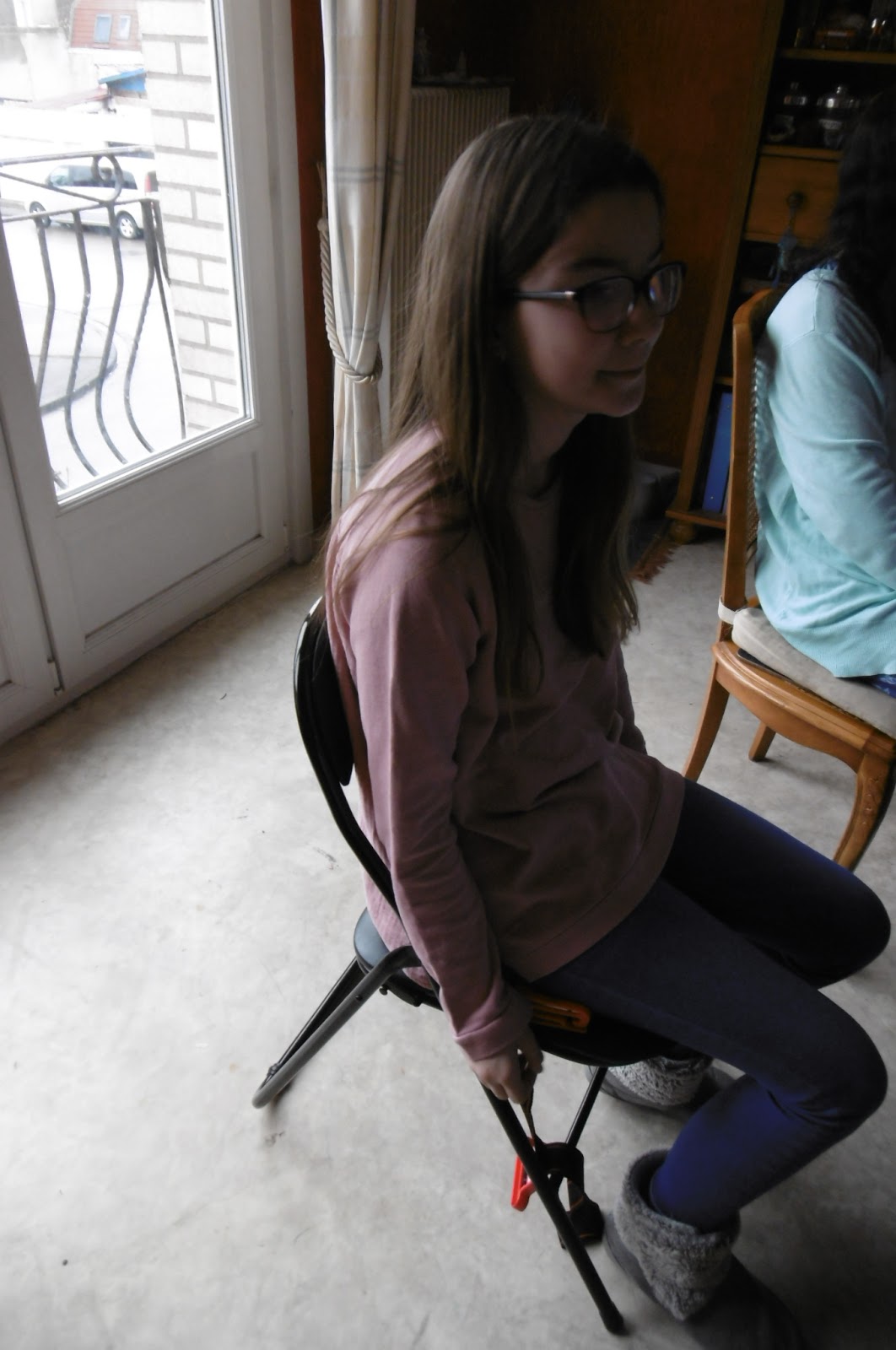
But 12-year-old Juliette demonstrated that yes, it is in fact big enough for her to park her posterior on ! mifold’s team of top designers, engineers and industry experts have together revolutionised the way that a traditional child restraint works. Regular child restraints lift a child up to be in the position of an adult, whereas mifold does the exact opposite by holding the seatbelt down in a suitable position for a child. It’s that simple! With 3 belt guides, mifold adjusts the lap belt and shoulder strap to fit the child and accurately holds the seat belt on the hip bones and shoulder, offering the correct amount of restraint in case of impact. Taking less than 30 seconds to fit per child, mifold is safe, foldable and portable enabling parents and caregivers to use it in situations that current car seats on the market today are unable to accommodate.


Up until now, the only options that parents had when travelling with little ones was taking a bulky car seat with them in their luggage, paying a premium for adding a car seat to a rental car or chancing it without any kind of car seat in a local taxi, so this is definitely a safer option. The small size and light weight means that you can keep one in your child's backpack if they're going off to visit friends or relatives, just in case they need it. You can even fit 3-in-a-row across the back seats of the smallest of cars. Another bonus, for those 8-12 year olds who usually don't want to sit on a booster seat, mifold’s understated, slick and streamline design will be a huge hit, because it is so discreet, it will save the big kids from feeling ‘babyish’.

mifold is now available in the UK from John Lewis and other selected retailers for £49.95.


Disclosure : We received the product in order to write an honest review.

Monday, 1 August 2016

RNLI creates Minecraft beach survival game to teach water safety to children

Calling all parents of Minecraft fans ! If the kids are going to spend at least part of their summer holidays with their heads in their video games, this is a great way of making it educational as well as enjoyable.

**********************************************

Child playing the RNLI’s Beach Builder Challenge on Minecraft to learn water safety. Credit: RNLI/Nathan Williams

This Summer, the Royal National Lifeboat Institution (RNLI) is launching year two of the charity’s Beach Builder Challenge using the interactive video game, Minecraft, which allows children to create and build virtual worlds.

The Beach Builder Challenge, available to play from 1 August, has been created by the RNLI to teach children about beach and water safety at a time when many young people will be visiting the coast during school summer holidays.

New for this year, the RNLI has expanded the virtual world to include a Beach Island Adventure, which means as well as being able to create epic beaches, this year creative youngsters are also tasked with completing four levels in the Beach Island Adventure. The four levels are based on the charity’s Stay SAFE acronym: Spot the dangers, Take Advice, Stay close to a Friend or family member, Learn what to do in an Emergency.

The RNLI’s Community Safety Product Manager, Bridie Appleby-Gunnill says: ‘This is a fun and interactive game for 7–14 year olds to play during the summer holidays. We really hope the challenges will help Minecraft users visiting the beach this summer put their newly acquired beach safety knowledge into reality, and have fun while staying SAFE.'

Last year’s Beach Builder Challenge was a huge success with more than 8,000 children participating from all over the world, including Canada, Australia and the USA. It also proved successful in helping to reach a high number of children living in inland communities across the UK and Republic of Ireland.

Feedback from 2015 suggests the game is an excellent education platform particularly as results found that 97% of participants, after playing the game, knew to go to a lifeguarded beach; and there was a 20% increase in the number of children who knew to dial 999 and ask for the coastguard if they saw someone in trouble at the beach.

Bridie adds: ‘We’ve created a fun, educational experience where a young person can engage and learn about water safety in a self-organised way and where academic ability does not limit learning. Research suggests that children learn and retain more when they can organise their own learning. Last year’s feedback has shown Minecraft to be a fantastic enabler in allowing this to happen.
‘I’m really hopeful the results of this year’s challenge will be just as encouraging. We’ll be looking for participants to take part in research, to help us further develop ways to enable water safety learning in this age group.’

This year, children using different platforms will be able to talk to one another while taking part in the challenge, to register your child’s involvement email gaming@rnli.org.uk.

The RNLI (in conjunction with ASA) runs an annual programme of outdoor swimming and water safety sessions for all 7–14 year olds at beaches and lakes across UK locations during the summer holidays. Participants of the RNLI’s Beach Builder Challenge will be able to put their learning into practice by signing up to Swim Safe. To book your free Swim Safe session visit https://swimsafe.rnli.org.

Wednesday, 18 November 2015

Giveaway #525 : Win a CO-9X FireAngel Carbon Monoxide Detector - closed - winner Fiona Karbal


This week is Carbon Monoxide Awareness Week, an annual safety week which aims to raise awareness of gas safety across the UK and which is run by the registered charity 'Carbon Monoxide Awareness' (covictim.org/).

Every year in the UK, more than 200 people go to hospital with suspected carbon monoxide poisoning and around 40 people die. Small children and the elderly are most at risk and CORGI HomePlan is campaigning for every home to get a carbon monoxide detector, so that they can keep their family safe.

Fitting your home with smoke detectors has become an automatic reflex now but many people still don't invest in a carbon monoxide detector, despite it being well known as a silent killer. Carbon monoxide, or CO, is produced by the incomplete burning of gas, which happens when a gas appliance has been incorrectly fitted, badly repaired or poorly maintained. It can also occur if flues, chimneys or vents are blocked. In other words, it's something that can easily occur within your house and you probably wouldn't notice straight away, possibly not until it was too late.

Especially for Carbon Monoxide Awareness Week, CORGI Homeplan have produced a microsite which tells you all about the dangers of carbon monoxide poisoning and what you can do to help prevent it. It's definitely worth popping over for a read.


CORGI Homeplan have also kindly offered to send a CO-9X FireAngel Carbon Monoxide Detector to one lucky Madhouse Family Reviews reader. Fill in your entries in the Rafflecopter widget below.


UK only. Closing date : 2/12/15

T & C's : Entries close at midnight on the closing date. Winners will be selected with a random number generator and announced on facebook, twitter and in the giveaway post subject line. Please note, you will be contacted by email and/or twitter and if I haven't heard from you after 28 days, I'll have to pick another winner. Prizes will be sent out by the companies or their PR directly to winners. Madhouse Family Reviews cannot be held responsible for any prizes that go astray !

Sunday, 26 July 2015

How clean is your BBQ?


(Click here for a bigger version)

I think most of us are aware that meat needs to be cooked thoroughly for it to be safe to eat and that we mustn't use the same chopping boards and knives for using raw and cooked meats, but some of these statistics are still quite scary. I had no idea that E. coli can survive on BBQ implements for up to a month or that 50% of chicken contains campylobacter bacteria - yuck ! I do know that some people wash their chicken (I never have and can't see the point) and that this tends to spray the bacteria all over the kitchen. Nice !

Working with Dettol, Dr Lisa Ackerley has come up with some top tips for safe and hygienic entertaining this barbecue season.

HEALTHY HYGIENE TIPS

WIPE SURFACES
It is important to avoid using dishcloths to clean where possible, as new research has revealed nine out of ten are ‘heavily contaminated’ with bacteria such as E.coli. Make sure surfaces are hygienically clean and grease free by using Dettol Power & Pure Advance Kitchen Spray & Wipes - the Active Oxygen formula breaks down to water and oxygen leaving no harsh chemical residue, and kills 99.9% of bacteria which could contaminate barbecue shelves, garden tables and other surrounding surfaces.

WASH HANDS
Almost half of frequently touched items and surfaces are contaminated with potentially harmful bacteria, therefore it is essential that guests wash their hands when eating or handling food. Use an anti-bacterial hand wash like Dettol Anti-bacterial No Touch Hand Wash with E45 which kills 99.9% of bacteria whilst keeping hands feeling soft and replenished.

CLEAN ALL UTENSILS
Studies have found that E.coli can survive for over 28 days on stainless steel surfaces such as cooking utensils so it is important to keep them thoroughly clean. Remember to think about using separate tongs, cutlery and utensils when handling cooked and uncooked meat to prevent cross contamination between equipment.

Not much risk of getting ill from the barbecue today - it's pouring hard as I write this !

Disclosure : Infographic provided by Dettol, who will be sending me some of their products to keep our BBQ parties germ-free over the summer !

Tuesday, 25 November 2014

Aquaint Sanitising Water review


My baby days are long behind me but I still remember those first few panic-stricken months when you want to sterilise everything in sight, from bottles and dummies to teething rings and plastic toys. I remember constantly disinfecting the high chair tray and boil-washing cuddly toys every now and then in an attempt to get rid of any nasty germs that may be lurking on them. But then I used to worry about what nasty chemicals may be lurking in the disinfectant products themselves !

Aquaint to the rescue ! It is a 100% natural, eco-friendly, water-based sanitiser that is completely safe for your children to handle and use because, unbelievably, it is harmless even if they accidentally drink it! I wouldn't recommend it but that is definitely reassuring. Apparently, it can even be used as a mouthwash - although I'd personally be worried about this giving kids the idea that all cleaning products are safe to put in your mouth.

 Water provides the base for the product and its only other ingredient is hypochlorous acid, a harmless, natural acid produced by the human body which provides its anti-bacterial properties. It kills 99.9% of bacteria in seconds which is rather impressive. It's the safest sanitiser on the market and certainly the most child-friendly. 

Even if The Madhouse is a baby-free zone, it's still a really handy product to have. I love giving the wooden chopping board a quick spritz every day, it's perfect for wiping down the worktops and the bin and if anyone has a dodgy tummy, I use it everywhere from the toilet seat and flush to door handles and light switches ! When I've been doing disgusting jobs like the bins or cleaning the toilet (oh, I have such a glamorous life !), I always feel queasy about going straight on to preparing food, even if I've washed my hands, so a quick spritz of Aquaint gives me great peace of mind.

The smaller bottle is great for days out, for keeping in the car, my handbag or my coat pocket – the kids always seem to want to eat a snack when we're out geocaching and we've been digging about in the dirt or stroking farm animals so it's a great product for when you can't get to a sink to wash your hands.

star rating : 5/5

RRP : 500ml trigger spray bottle £4.99, 50ml finger pump bottle £2.49

available in Boots, Babies R Us, Ocado, Vital Baby, JoJo Maman Bebe, NCT Shop and Amazon

for more information : www.aquaint-uk.com


Disclosure : I received the product in order to write an honest review.

Other blogposts you may be interested in:

Almost enough to make me feel broody ! (review)

Sunday, 23 November 2014

Drinkaware : Have you talked to your kids about underage drinking?


Last week, Sophie, now aged 13, came home from school, laughing and rolling her eyes indignantly at some of the questions that they had been asked in an anonymous questionnaire. "It asked if we had ever tried drinking alcohol and then, in another question, it asked what we had for breakfast and, in the options to tick, it had beer or alcohol ! Who would ever drink alcohol for breakfast? - eurghhh !", she cried.

This was the perfect time to have one of the big life-lesson talks with her. I was secretly relieved and very reassured by her answers. I know what she gets up to at home with us but who really knows what their kids, especially during the teen years, get up to once they're out of sight with their mates? I remember the big hoo-ha back when Tony Blair was Prime Minister and his then 16-year-old son was found drunk in the gutter and picked up by police. While Blair's detractors rubbed their hands in glee, seeing the perfect chance to put the boot in, I couldn't help but feel for him as a parent. You can spend years instilling common sense and good advice into your kids while they're too young to get into trouble but, once they're old enough to be let off the proverbial leash, you just have to cross your fingers and hope that they make the right choices.


As a teacher, sitting in as a silent observer on some of the "dangerous behaviour" classes at school, I have to try not to show in my face how horrified I am by some of the responses I hear. Admittedly, some of the pupils may be showing off and just trying to shock the people asking the questions, but hearing about the 13 and 14-year-olds regularly helping themselves to the contents of their parents' drinks cabinets when they go out or sending their big brothers or older friends to the off licence for beer at the weekends had me feeling worried about my own kids.

I try to teach Sophie about responsible drinking, even now, when she still thinks she'll never want to drink alcohol because it tastes horrible. How does she know? Well, because I gave her some ! Before you call me a bad mother, she had a tiny sip of champagne last year at a wedding when she was wondering aloud what it tasted like and how she couldn't wait to try some. I decided that, rather like coping with chocolate cravings when you're on a diet, it might be better to nip it in the bud before it was all she could think of. She had a tiny sip out of my glass, pulled a face, said "eurggghhh that's horrible, why do people drink alcohol?" and swore off the stuff for life ! I know it won't last but at least she's lost the urge to try it, and at least I was around when she took that inevitable first sip.

I had a real angel-and-devil-on-my-shoulders moment when deciding whether to let her taste alcohol that early though and really wasn't sure if it was a good idea or not. That's why I was delighted to hear about Drinkaware's new campaign which aims to increase parents’ awareness of the risks associated with underage drinking and, importantly, to support parents to have well-informed conversations with their children about the risks of alcohol and underage drinking. The core target for the campaign is parents with children aged 10 to 13 years so I've been reading it all as it is perfectly suited to both Sophie and Juliette.


Drinkaware have re-launched a section of their website to provide medically approved information, facts, video resources and guides that are a mine of information for parents. (You can find it at www.drinkaware.co.uk/underagedrinking.) The website content has been developed with the support of charity Family Lives and Dr Tim Ubhi, Consultant Paediatrician. There will also be two webinars on 27th November and 10th December for parents to ask any questions on issues surrounding underage drinking.

Parents have a key role in influencing the relationship their child develops with alcohol so this is one issue that it is really worth swotting up on before it comes up in conversation with your tweens and teens. There are a range of topics covered on the Drinkaware website, including information on the risks of underage drinking, why children drink, why talking is good and how to talk to your child. The "tough questions answered" section is brilliant, helping you out if you're not sure what to say.

If I'd read it before talking to Sophie, I think I'd have managed to give her convincing arguments without ever needing to resort to letting her have a sip. At least I'll be better prepared in a few years' time when it's Juliette's turn !

It's not too late for Sophie though. We played with the Spin The Bottle feature on the Drinkaware website to open her eyes (and mine) to some of the dangers of underage drinking : teenage pregnancies, liver damage even as early as in your 20s, weight issues and bad skin, being more likely to take drugs ... But it doesn't just demonise drinking. It points out that people do get pleasure from drinking, otherwise they wouldn't do it, but clearly sets out the risks of starting to drink too early and why it is better to wait a while. The tone is perfect - it sounds like a big sister or slightly older friend, not a preachy or judgemental parent or teacher.

If you still have questions or need advice, don't forget the two webinars :
- 27/11/14 on the risks associated with underage drinking: http://bit.ly/1uZlbof
- 10/12/14 on how to address the issue of alcohol with your child and how to
have effective conversations with them http://bit.ly/1oLazGG

Disclosure : I am a member of the Mumsnet Bloggers Network Research Panel, a group of parent
bloggers who have volunteered to review products, services, events and brands for
Mumsnet. I have not paid for the product or to attend an event. I have editorial control and
retain full editorial integrity

Other blogposts you may be interested in :

This week is Road Safety Week ...

Wednesday, 19 November 2014

This week is Road Safety Week ...


This morning got off to a really horrible start. We saw a little girl get run over on the way to school. Luckily it's a narrow road where cars have to slow right down and wait their turn to get through so she wasn't badly hurt but even so, it was horrific to watch and as the ambulance arrived with sirens blaring to cart her off to hospital, I couldn't help but imagine what it would have been like if it had been one of the Madhouse kids.

I took advantage of the moment to drill into Pierre (again) just why it is that I want him to hold my hand and stay on the pavement and look both ways and use the pedestrian crossings. Then I thought about the unspoken messages I give him and the bad examples I sometimes set. I'm pretty good most of the time and always make the kids get actively involved in looking to see if it's safe to cross and pushing the button for the green man, but even so, I noticed that I often cut the corner on the way to school by crossing the road diagonally twice rather than walking the extra 100 yards around the long side which is just laziness and a very bad habit for the kids to get into. I also occasionally cross when the red man is showing if I've looked both ways and know there are no cars and I also sometimes cut straight across the road (again checking it's safe) rather than walking the extra 20 metres to the zebra crossing. I do always say "Mummy's being naughty, we should go to the crossing because it's safer" but it's still a bad example to set for the kids so I'll make a determined effort to go all out to be even safer from now on.


It's rather ironic that this week is Brake's annual Road Safety Week (with the theme "Look Out For Each other"), and to support this, Michelin has developed a programme of activities to increase awareness amongst young drivers in the importance of staying safe on the roads. Throughout this week, Michelin is releasing a series of hard-hitting videos of young people's real life experiences with road safety across their social media channels, based around important road safety topics that relate to young people, from drink driving to speeding and distractions.

A new video will be released every day this week. Here is their first video focusing on Drink Driving.


All Road Safety Week videos can be seen on the Michelin Facebook page (www.facebook.com/MichelinUK) and Twitter @MichelinTyres, as well as on its YouTube channel (https://www.youtube.com/user/michelinuk). Over the course of the week Michelin will use the videos to build discussions around road safety and for young and experienced drivers to share their experiences.

As well as these videos, Michelin has also started its schools road safety tours, where they will be travelling around UK schools with their road-safety puppet shows for the rest of the year, teaching young people the importance of road safety, whether they are drivers or passengers.

If it only prevents one accident like the one we witnessed this morning, it will be worth it !

Other blogposts you may be interested in :

Internet Matters - keep your kids safe and 'appy !

Thursday, 13 November 2014

Giveaway #436 : Win a Carbon Monoxide Monitor - closed - winner Jayne Townson


Every year in the UK, more than 200 people go to hospital with suspected carbon monoxide poisoning, and around 40 people die. Small children and the elderly are most at risk, and CORGI HomePlan is campaigning for every home to get a carbon monoxide detector, so that they can keep their family safe.

This is a critical time for boilers, as most people will have had the heating switched off for the summer and will fire it up with their fingers crossed hoping it comes on so that their family will be toasty warm. But without a detector they will have no idea that carbon monoxide may be seeping from their boiler. This colourless, odourless gas is a silent killer.

In the last three years, an estimated one in six homes inspected by the Gas Safe Register was found to have an unsafe gas appliance and one in eleven has an unsafe boiler.

CORGI have created a microsite to help families be aware of the dangers of gas appliances in their own home: http://corgi-homeplan-how-safe-is-your-home.org/

Packed with easy to follow advice and warning signs to look out for, this site is an easy reference resource for homeowners unsure about how to protect themselves and their families and what to do when things go wrong at home.


To help promote the campaign, CORGI have offered to send a FireAngel 7 Year Life Poisonous Gas Alarm (Model Co-9X) to one lucky Madhouse Family Reviews reader. To be in with a chance of winning, fill in your entries in the Rafflecopter widget below.

UK only. Closing date : 27/11/14

T & C's : Entries close at midnight on the closing date. Winners will be selected with a random number generator and announced on facebook, twitter and in the giveaway post subject line. Please note, you will be contacted by email and/or twitter and if I haven't heard from you after a week, I'll have to pick another winner. Prizes will be sent out by the companies or their PR directly to winners. Madhouse Family Reviews cannot be held responsible for any prizes that go astray !

Other giveaways you may be interested in :

Sunday, 14 September 2014

Internet Matters - keep your kids safe and 'appy !

When this article from Internet Matters popped into my inbox, I thought "yeah, yeah, I know all that already, use parental control and put a password on to stop unauthorised downloads" but then I got to the end and thought "ooh, I'd never heard of those". If nothing else, make sure you scroll down to the end for details of the free apps to help kids get out of tricky sexting situations with a witty retort - I'll definitely be sharing them with Sophie for future reference, just in case.

*****************************************************


According to Internet Matters – the child internet safety organisation founded by the UK’s four major broadband providers, BT, Sky, TalkTalk and Virgin Media - nearly a third of mums and dads let primary age kids download apps without their permission. Among dads, 34% said they allowed the new software to be bought or downloaded for free without a prior agreement with their children. Mums were stricter though, with only 25% saying the same.

The findings come just as pupils have returned to school with experts encouraging mums and dads to check what apps their youngsters may be talked into installing on their mobiles by friends. This can be difficult for parents because they can never be sure what new apps their children might be discussing in the playground.

The survey also showed that while three quarters of parents believed they were “confident or a little confident” in knowing what apps they should or shouldn’t ban, 3 in 10 did admit they only have an “average” understanding of what apps are suitable. To counter this, the new Internet Matters app guide can be found at www.internetmatters.org - giving parents a wealth of information and knowledge to learn about a host of different apps.


Examples of new apps that parents should be aware of include so-called “decoy” apps such as Secret Calculator, which can hide personal pictures and videos within the app behind a unique personalised code. Further lesser-known apps highlighted include Poof, which instantly hides open apps at the touch of a button, and more anonymous messaging services such as MeowChat and Whisper.

Carolyn Bunting, General Manager of Internet Matters said: “There are over three million apps available and this number increases daily. Understandably parents find it difficult to keep track of the apps that their children use. Many apps are great learning or entertainment tools but some may create risky situations for children and could put them in harm’s way. We want to encourage parents to talk about these issues and to help we have created a comprehensive App Guide for Parents on internetmatters.org.”

Claire Lilley, head of child safety online at NSPCC, adds: "For many young people socialising on the move through mobile phone apps is part of everyday life. They can be fantastic resources for children and young people, but it’s important that both parents and children are aware of the potential dangers. These can come from peers as much as they can from strangers. Risks for young people include cyberbullying, being exposed to inappropriate content, and grooming - where someone builds an emotional connection with a young person in order to sexually abuse them.”


Internet Matters’ Top Five Tips for Parents on App Safety


Hold the Password Keys – Do not give young children the password to your app download account or allow them to have their own. Not only will it enable them to download apps without your permission, it could also prove costly should they unwittingly make expensive in-app purchases. With Twitter trialling a ‘BUY’ button in the US this week, make sure you keep an eye on which apps offer in-app purchasing.

Check Their Settings – Check your child’s privacy settings on their smartphone or tablet, looking out for whether they are set up to prevent sharing of things like location, contacts, photos or calendars. Sharing a location may allow people they chat with to see where they are at given times.

Educate Children On The Risks – The Internet Matters website features a range of help and advice for parents on topics such as cyberbullying, sexting, explicit or offensive content and chatting to strangers. This comprehensive resource has been gathered from a range of internet safety experts such as Childnet, NSPCC and CEOP.

Be Savvy About Social Networks – Social networks such as Facebook and Twitter have rules saying children under the age of 13 should not hold an account, so stand your ground on when your child can have access. Once they are old enough to have such an account, help your teenagers create strong privacy settings that will work when using popular social networking apps.

Brush Up On Your Apps – It is important parents understand and educate themselves on the latest apps. Each has an age-appropriate rating to allow them to decide whether it is suitable for their child. If in doubt, download it and try it out for yourself. Searching the internet for details of a particular app can also provide useful assurances or warnings.


Three Apps to Help Kids


Send This Instead - Developed to help children combat sexting from peers. It gives a range of optional images with humorous messages so children can send these as a response to sexting, putting them back in control.

Zipit - Made by ChildLine, Zipit aims to help teenagers deal with difficult sexting and flirting situations. It offers humorous comebacks, advice, and aims to help teenagers stay in control of flirting when chatting.

Kuddle - This is a photo-editing and sharing app that combines social media with 'netiquette' and educational information about online behaviour and risks.

For information on the Internet Matters initiative please visit: www.internetmatters.org

Other blogposts you may be interested in :

Don't wrap your kids up in cotton wool - learn first aid ! #safetysuit

Wednesday, 30 July 2014

Don't wrap your kids up in cotton wool - learn first aid ! #safetysuit


I always think that grazed knees, nettle stings and splinters are all an integral part of growing up so, if the Madhouse kids trip over, I just stand them up, brush them down and send them off to play again ! More serious accidents do happen though so St John Ambulance are calling for parents to learn vital first aid skills, rather than wrapping their kids up in cotton wool. They've come up with this cute 'Safety Suit' video to get their message across.


New research from St John Ambulance shows that the vast majority (98%) of parents think it's important to learn first aid, but just 51% have done anything about learning life saving skills in the last three years. Over a third of parents (37%) reported their child had had an accident on holiday that needed immediate first aid.

Highlighting the cotton wool culture that has emerged in recent years, research shows today:
*Nearly half (43%) of mums would be unlikely to let their children go on a cycle ride with friends.
*Over a quarter (28%) of mums admitted they would be unlikely to let their children climb a tree.

With over 450,000 children attending accident and emergency departments in England every year, St John Ambulance is offering parents a solution that will allow children to have fun, while parents enjoy a worry-free summer.

Sue Killen, CEO at St John Ambulance, said: 'Safety Suit is a funny film with a serious message: you don't need to wrap your children in cotton wool to protect them. Parents who learn first aid gain the peace of mind to let their children enjoy everything childhood has to offer, as well as the knowledge to look after them, whatever happens. Young people should be able to enjoy an exciting, carefree summer - just taking a few minutes to learn some skills on our website will help make that a reality.'

In St John Ambulance's new short film 'Safety Suit' a young boy's well-meaning parents buy him a padded suit for his birthday that will allow him to play outdoors safely. But his parents' dream of creating a safe world for him to play in soon turns into a personal nightmare, as he discovers that the bulky outfit makes even the simplest acts impossible.

St John Ambulance believes no child should suffer for a lack of first aid, and is calling on parents to visit www.sja.org.uk/safetysuit today to learn how to help their child in an emergency. The website hosts free, simple step by step first aid advice specifically for parents, and information on first aid courses taking place in their area.

Other blogposts you may be interested in :

Scam alert : The phone call from Microsoft

Related Posts Plugin for WordPress, Blogger...